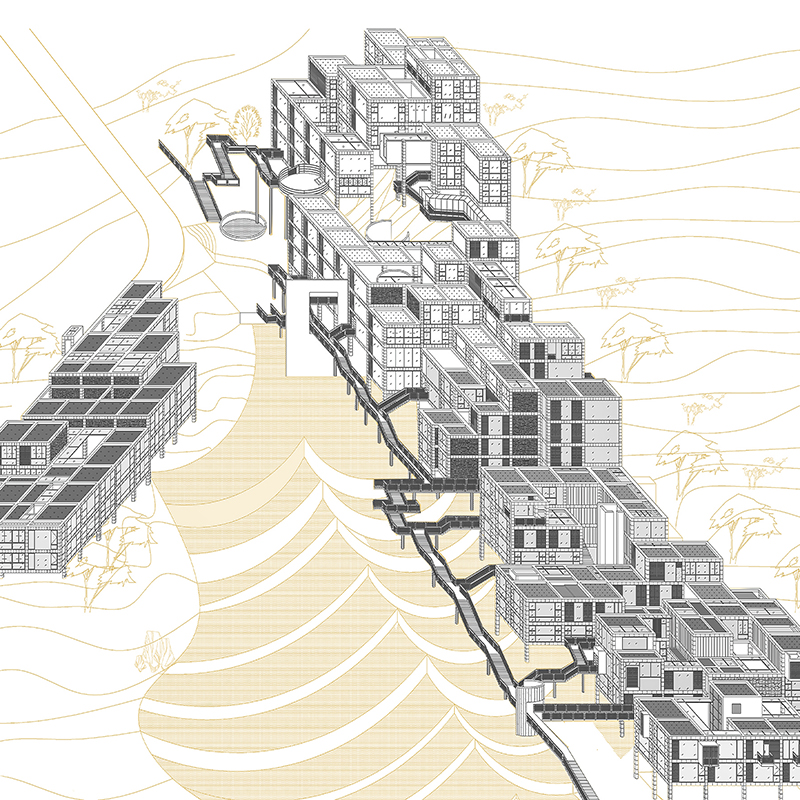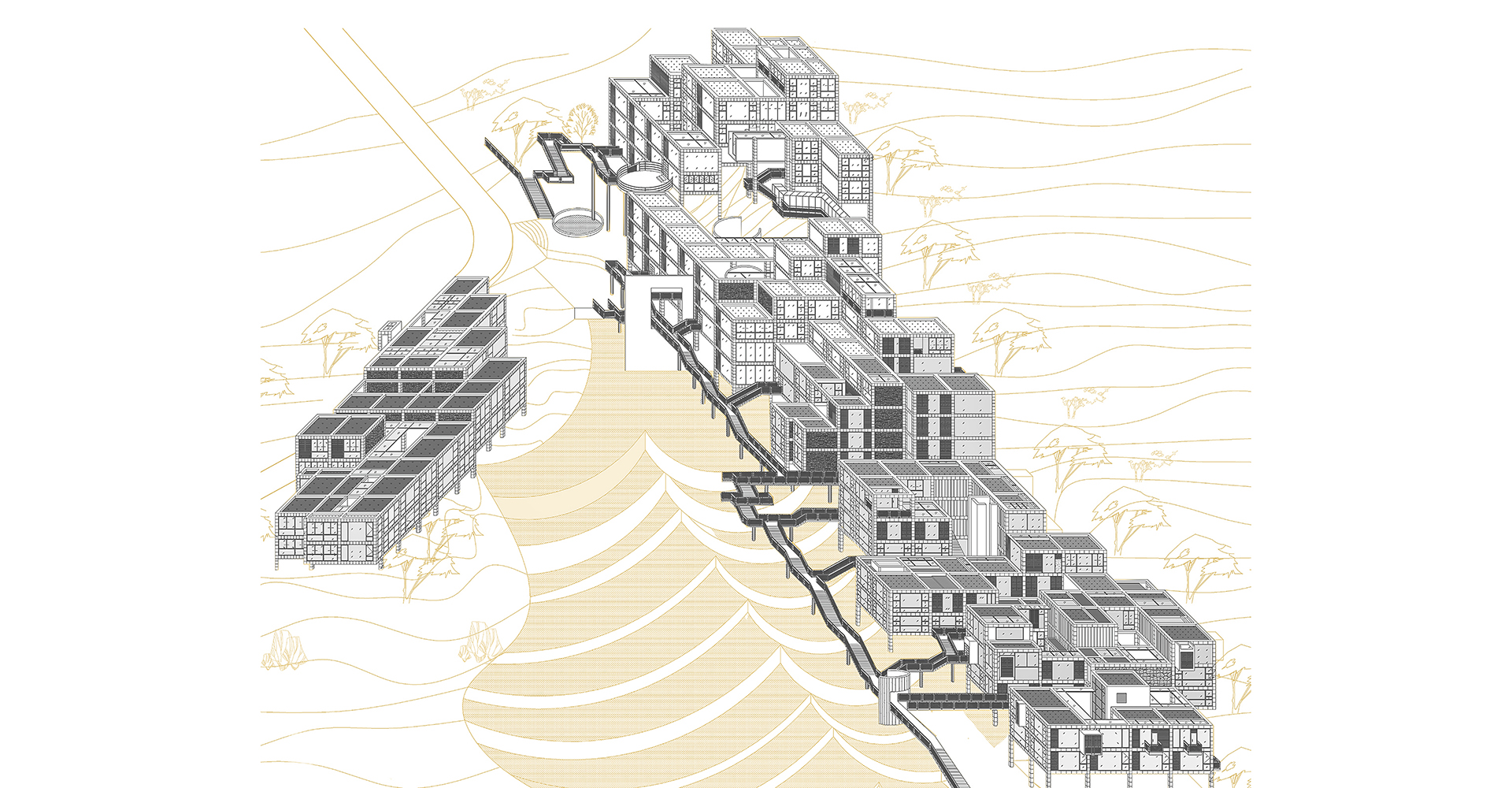

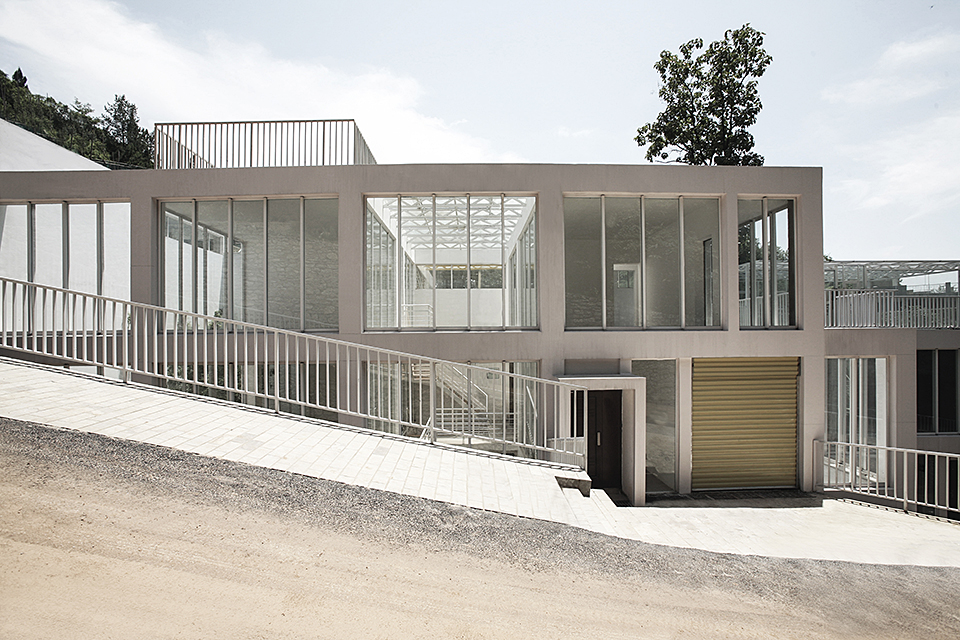
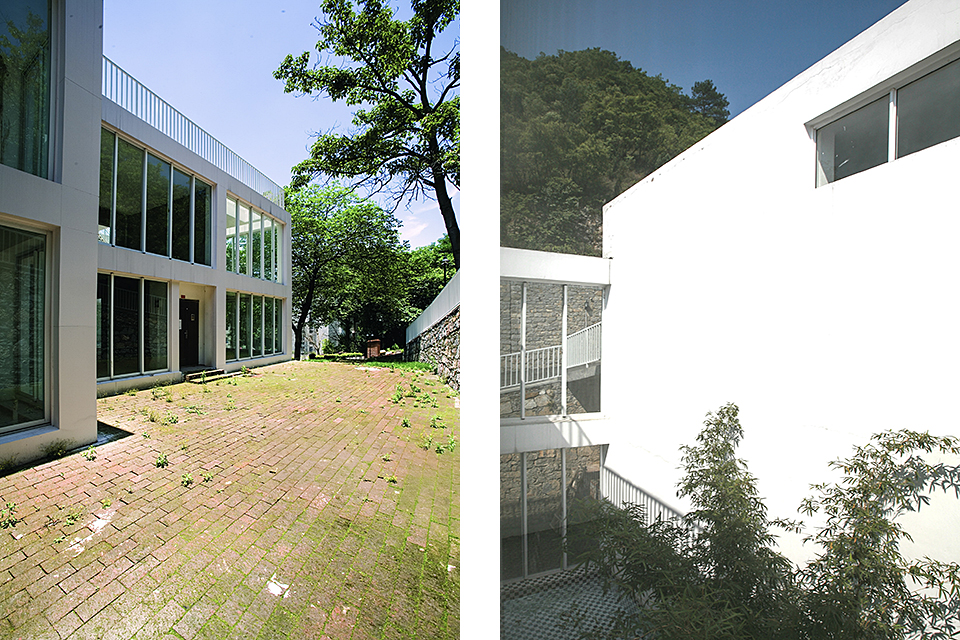
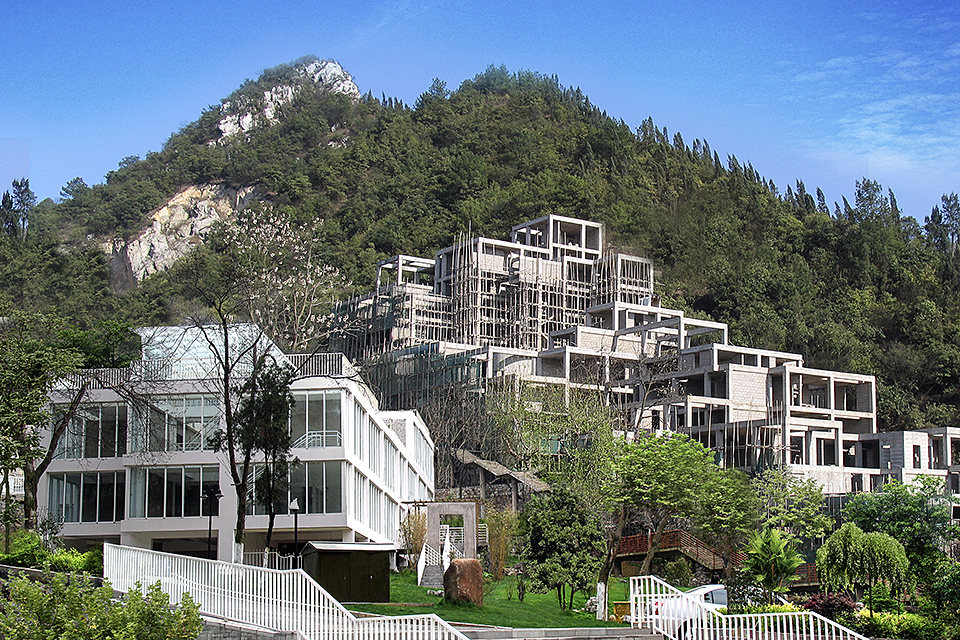

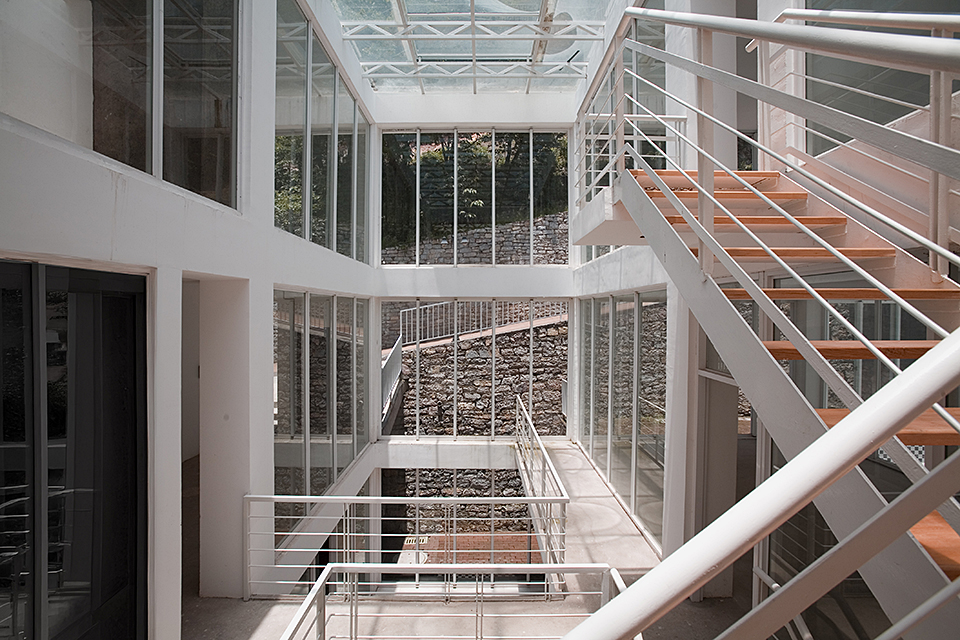

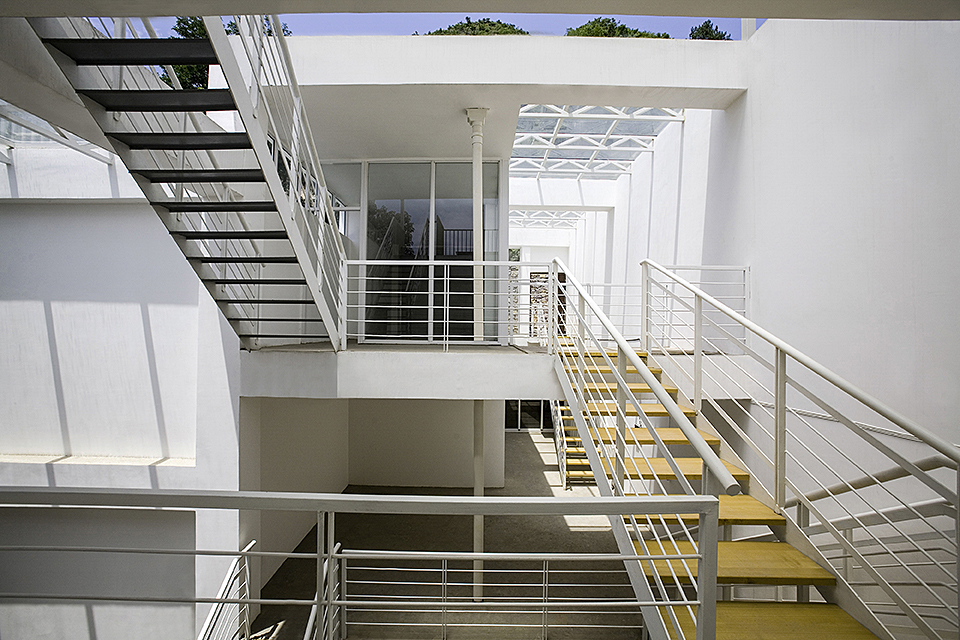
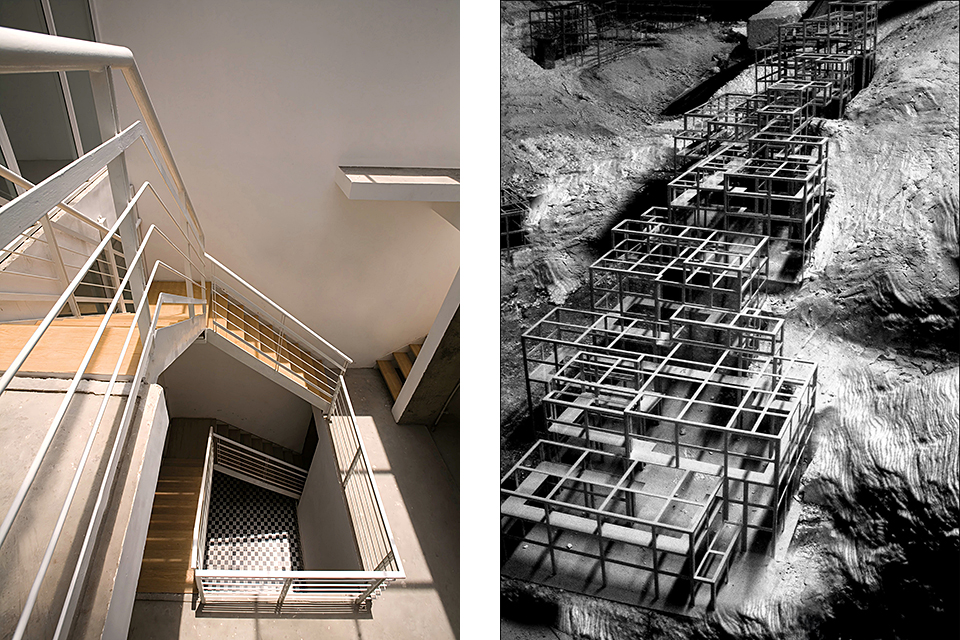
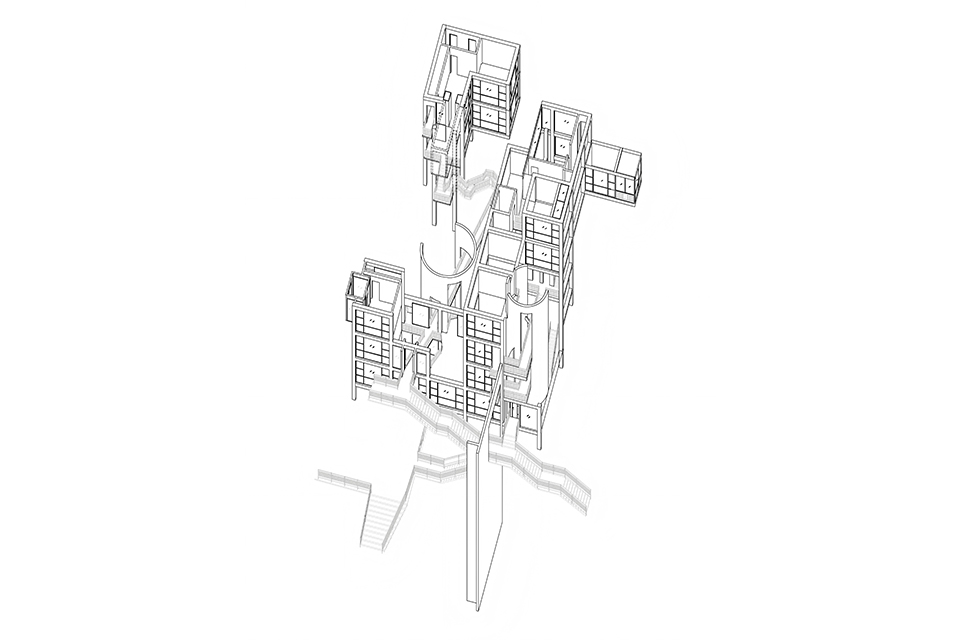
The project is located in a mountainous setting, where complex geological conditions and limited construction techniques posed significant challenges. Rather than relying on advanced or sophisticated technologies, the architect responded to these constraints with a pragmatic and flexible approach to both design and construction. The design draws inspiration from the traditional wooden villages of the region. Instead of imposing a rigid form onto the landscape, the architecture follows the natural contours of the terrain, closely adapting to the slope and appearing to grow organically from the mountain itself. This strategy establishes a continuous and intimate relationship between the building and its natural environment. During the construction process, a full-scale 1:1 bamboo model was built on site to directly test spatial proportions, scale, and the relationship to the terrain, while also helping to locate key structural elements such as foundations. Due to the lack of capacity for steel construction at the time, the original “woven bamboo” concept was ultimately translated into a concrete structure. A simple, repetitive grid system was adopted throughout the project, allowing construction tolerances and on-site inaccuracies to be absorbed naturally within the overall system. Spatially, paths, stairs, and elevated walkways connect residential units, courtyards, and shared spaces, creating a layered and engaging circulation experience. As a whole, the project can be understood as a concrete “living net” woven across the mountainside—ordered yet flexible, structured yet responsive—forming a residential settlement that coexists harmoniously with its mountainous surroundings.

Copyright © 2025 West-line studio. All Rights Reserved|Privacy Policy|Prerms of Service