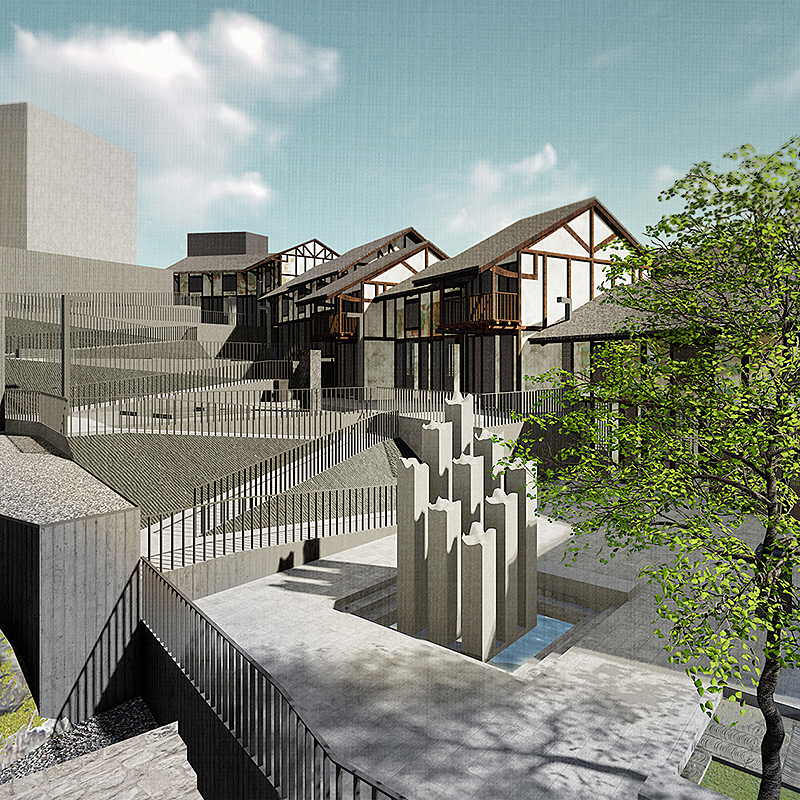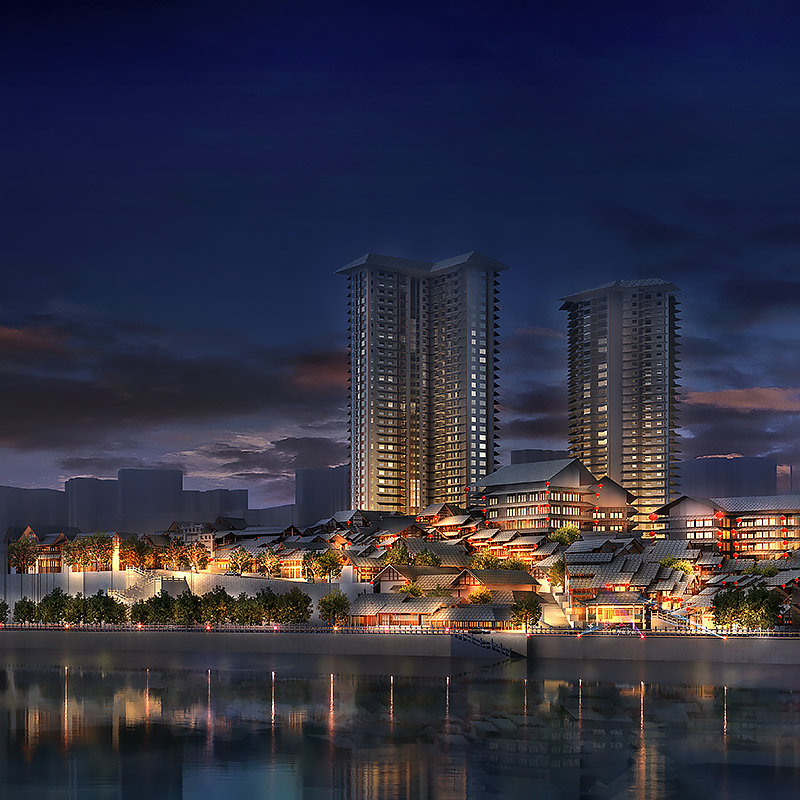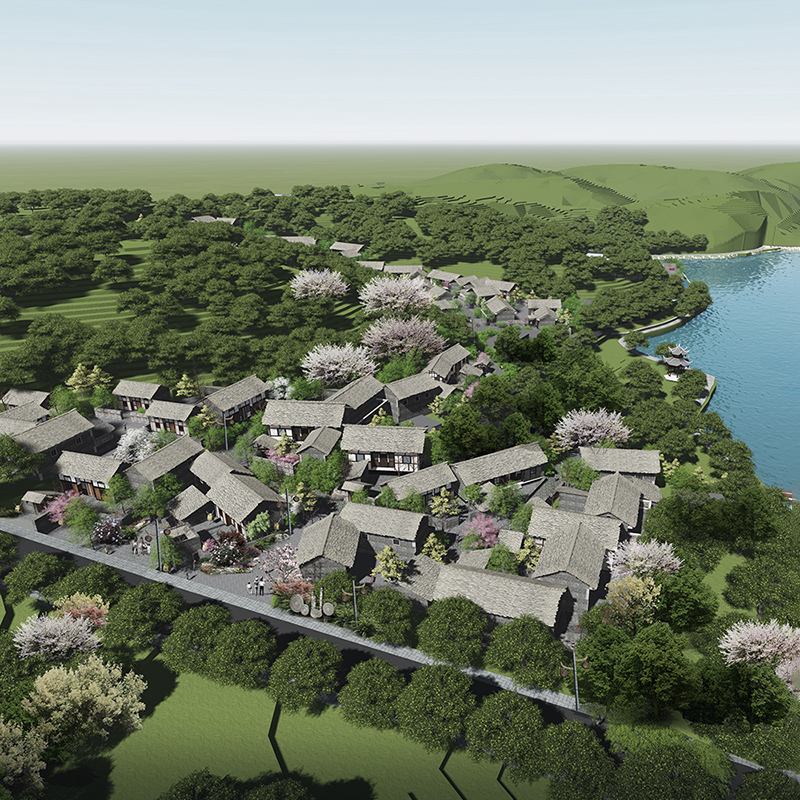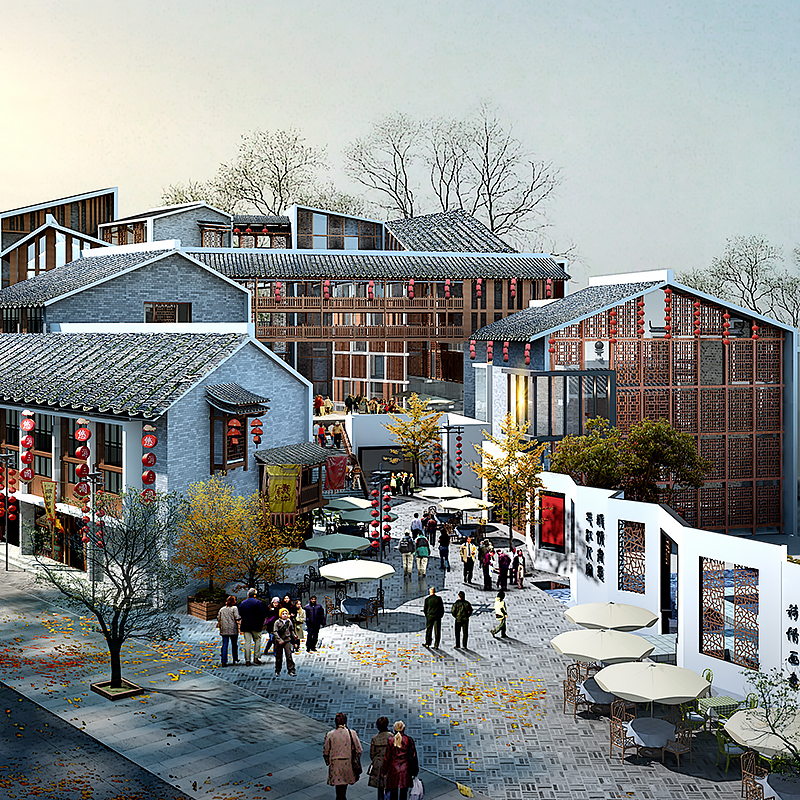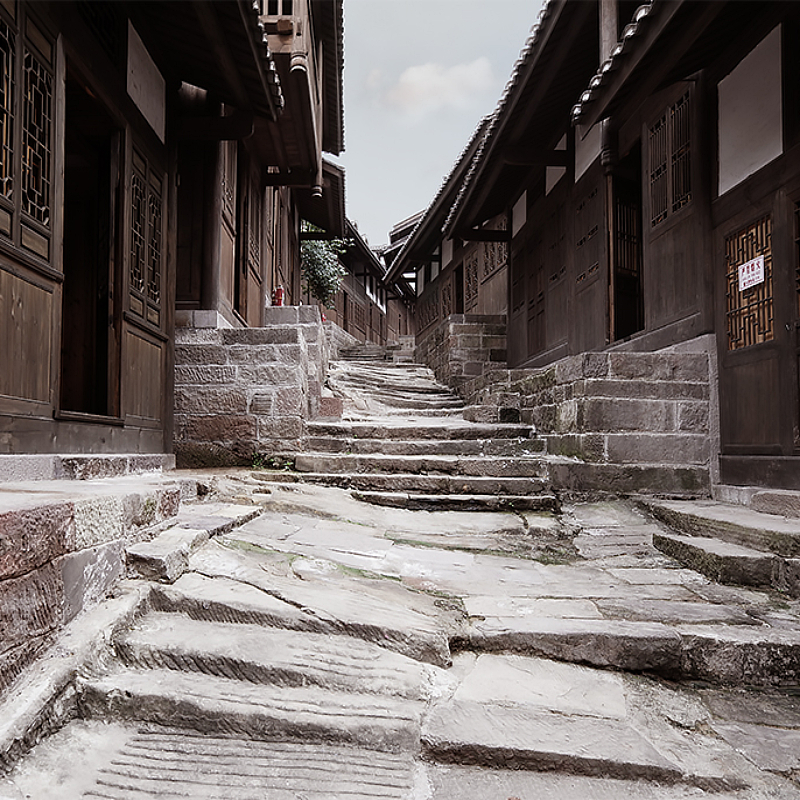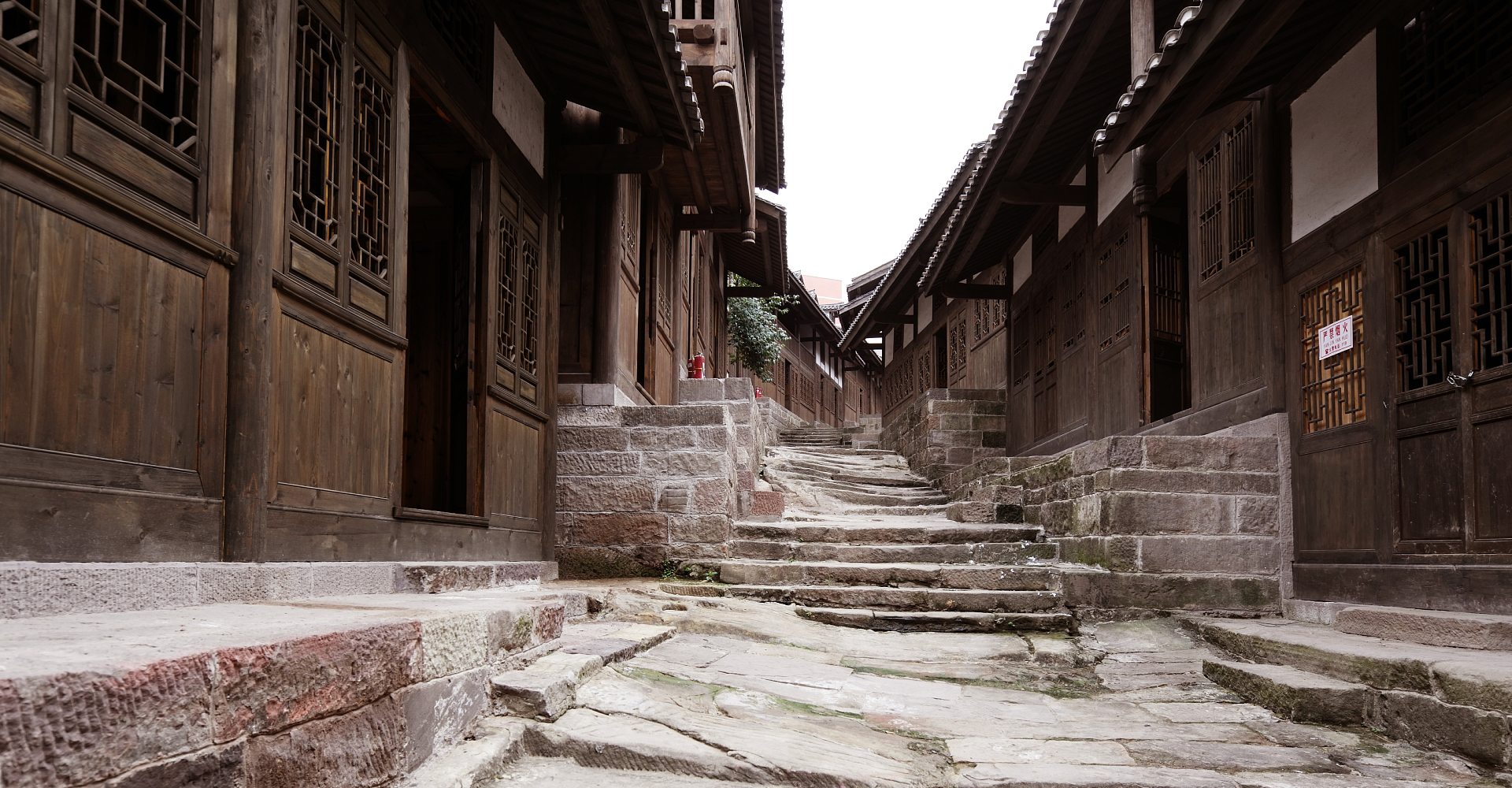
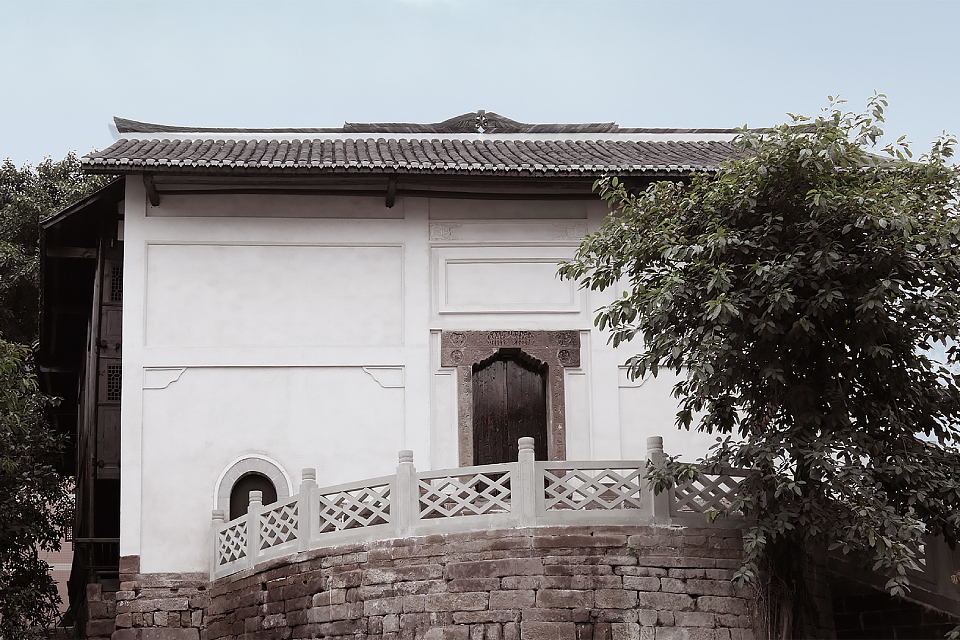
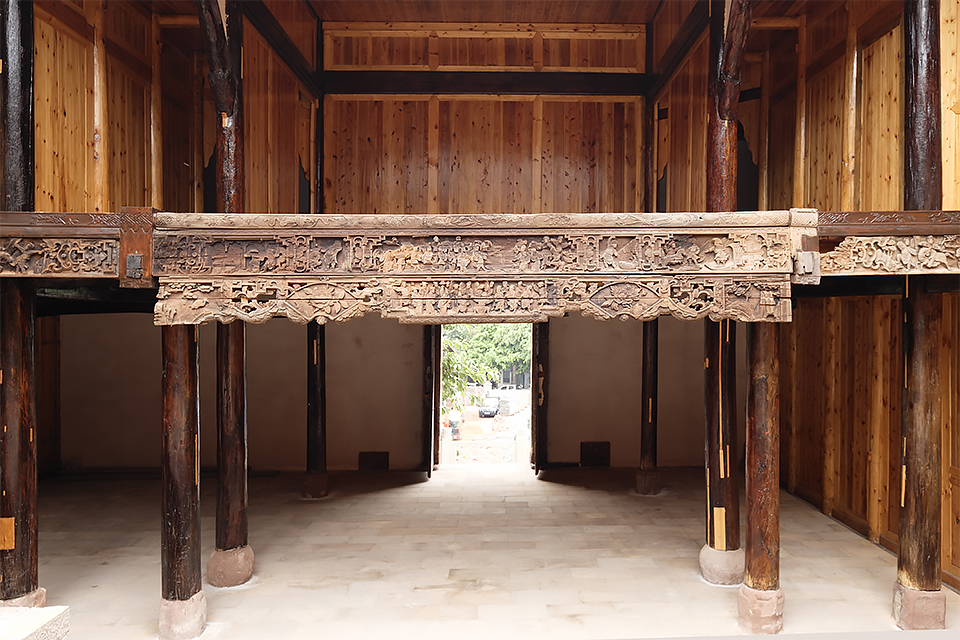
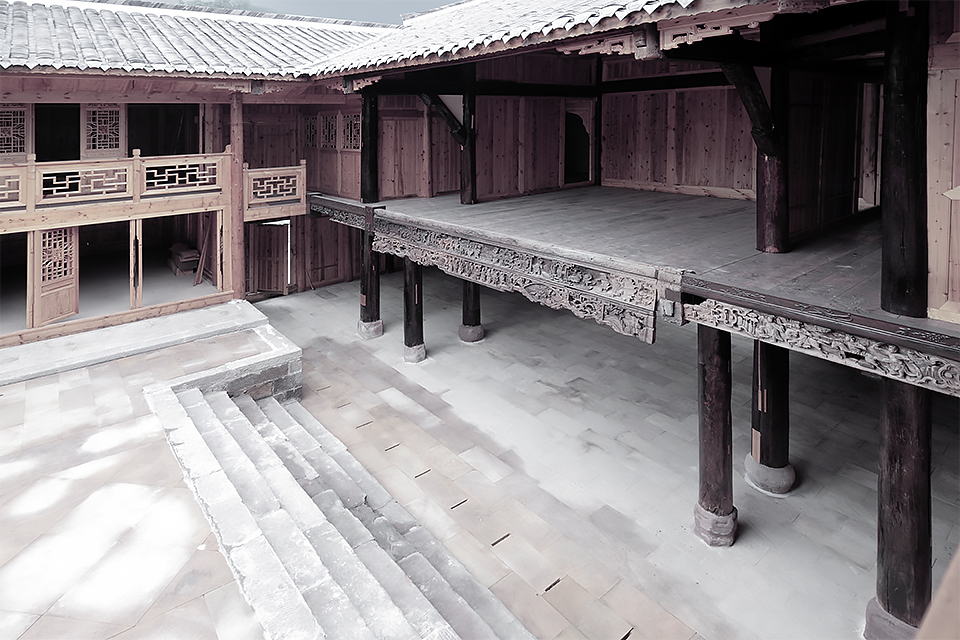
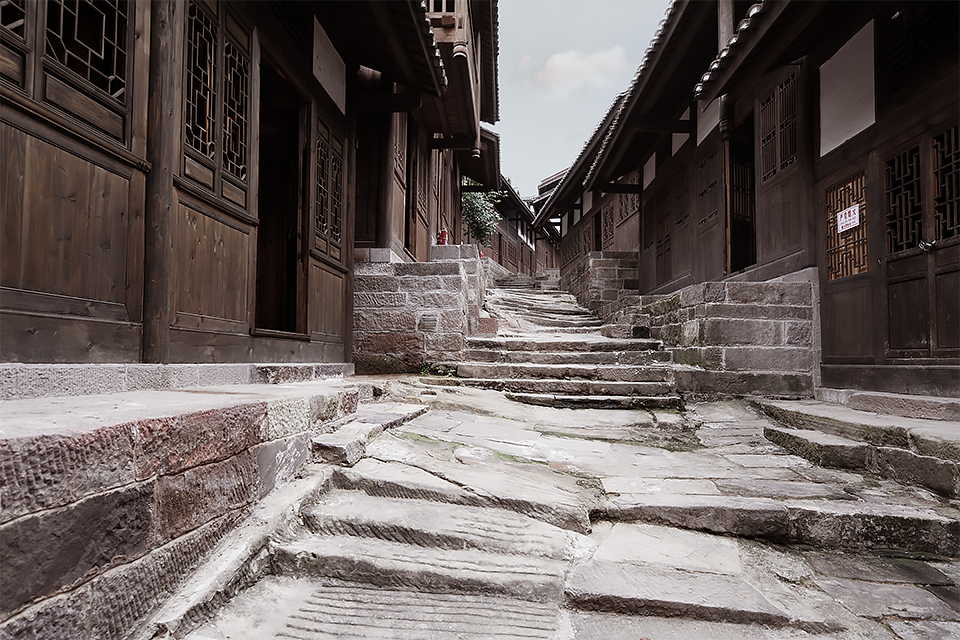
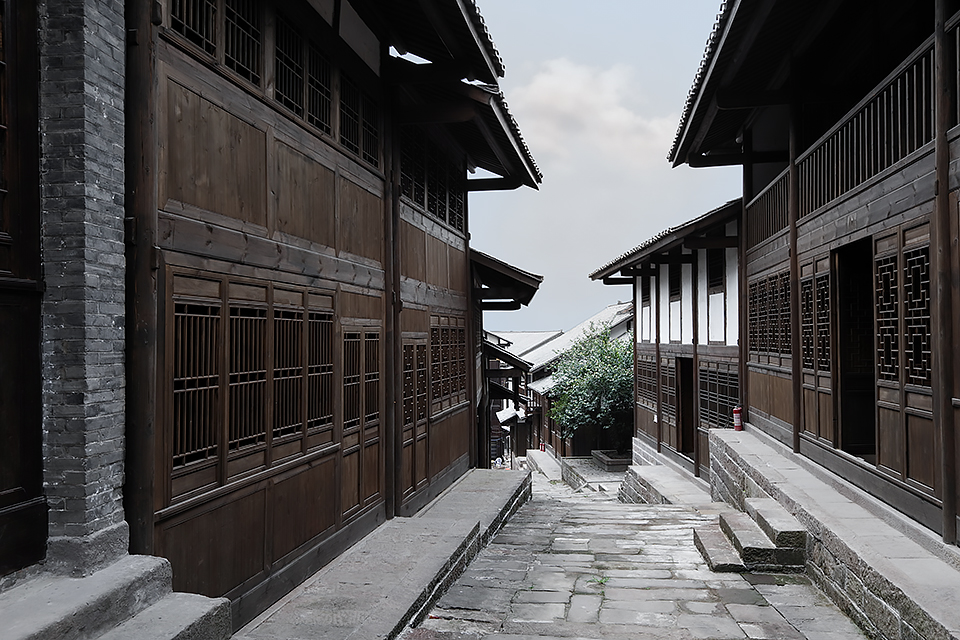
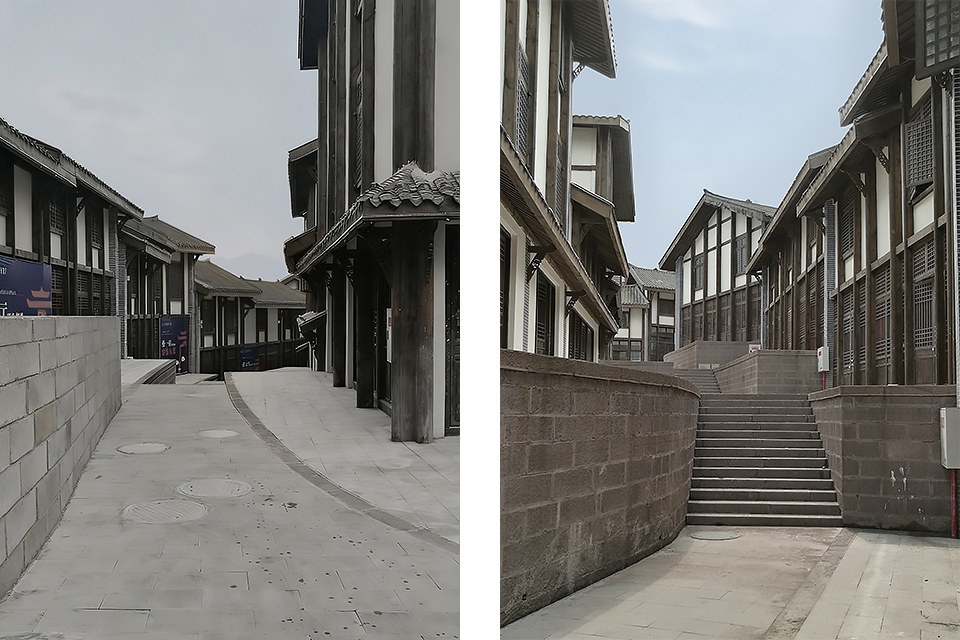
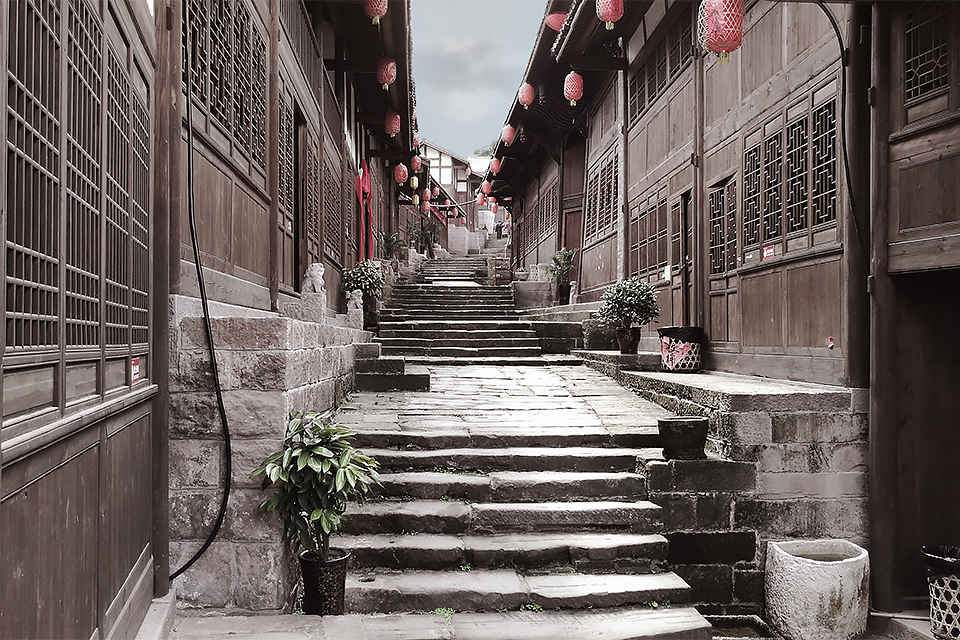
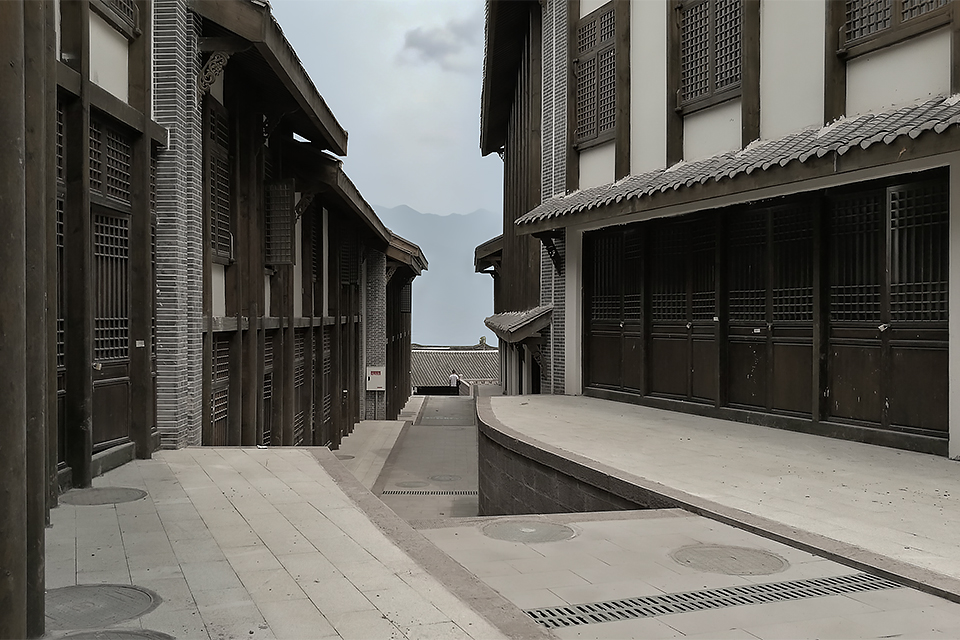
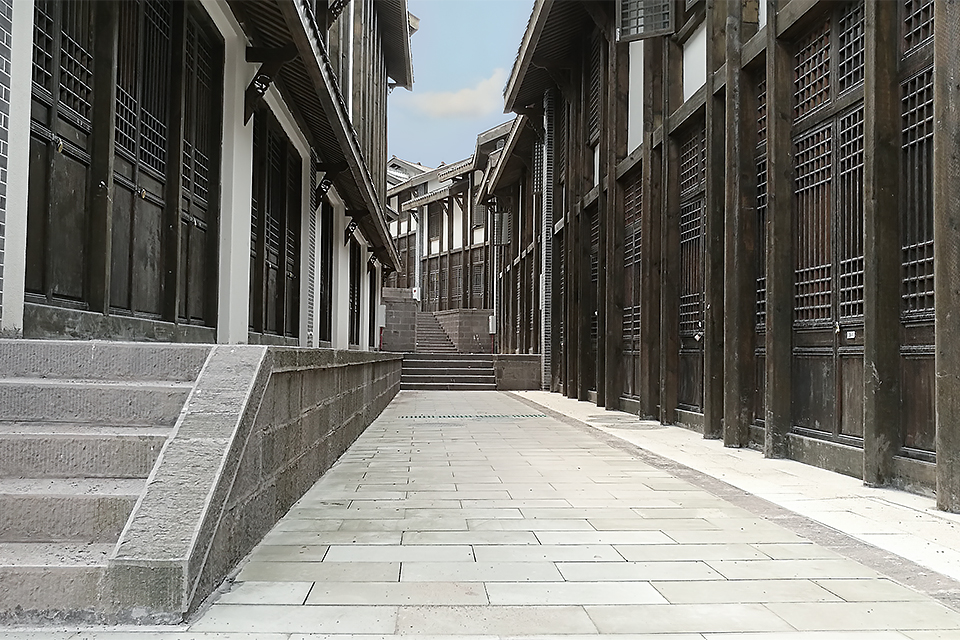
This project is located along the Chishui River in Chishui City, Guizhou Province, with a history spanning 2,000 years. The renovation focuses on preserving the overall texture of the historic district, adopting a "preservation + organic renewal" strategy to create a traditional neighborhood with cultural and ecological characteristics.
The planning follows the principle of human-centered development, ensuring the harmonious coexistence of mountains, streets, and the city while maintaining historical continuity. The transportation-oriented approach optimizes functional layouts and accessibility, enhancing urban convenience. The land conservation and efficiency principle emphasizes compact and efficient land use. The flexibility and order principle reserves space for future growth, ensuring gradual and structured development. The cultural heritage continuity principle protects and enhances historical resources, shaping a distinctive tourism-oriented district. The era-adapted design principle integrates traditional and regional architectural styles to preserve the city's historical charm.
The renovation strategy emphasizes the preservation and regeneration of traditional spaces, repairing historical structures, reconstructing memorial landmarks on heritage sites, and applying traditional construction techniques to revitalize old buildings. A clear spatial structure is established, with landmark buildings enhancing recognition while integrating shared functionalities to develop a sustainable urban model tailored to Chishui’s growth.
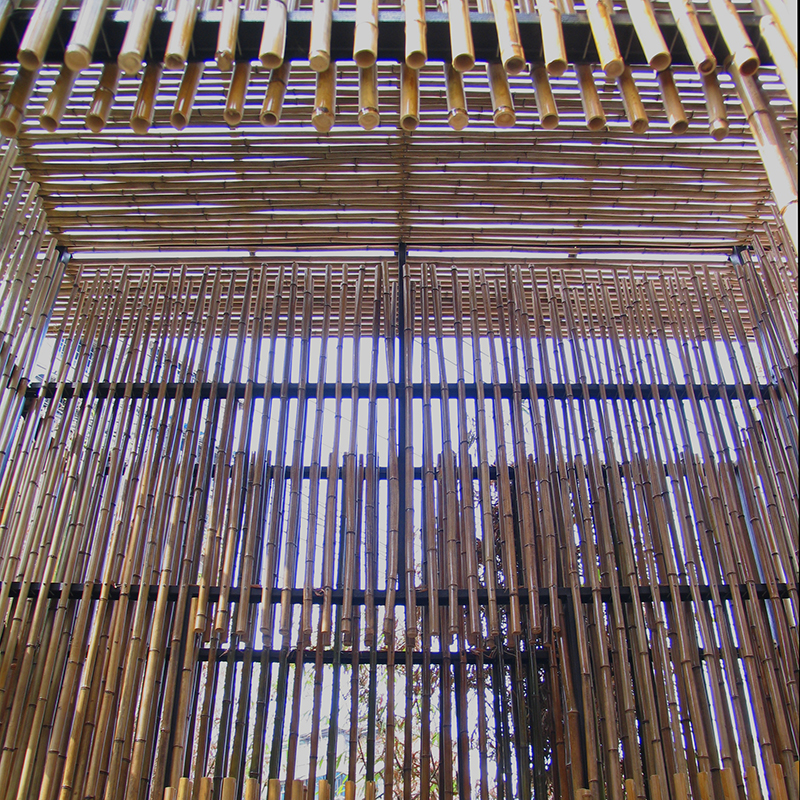
Additionally, traditional elements such as wood carvings, plaques, old bricks, and tiles are cataloged and archived to ensure their reuse, achieving organic renewal and preservation while promoting the district’s long-term sustainable development.

Copyright © 2025 West-line studio. All Rights Reserved|Privacy Policy|Prerms of Service

 CN
CN