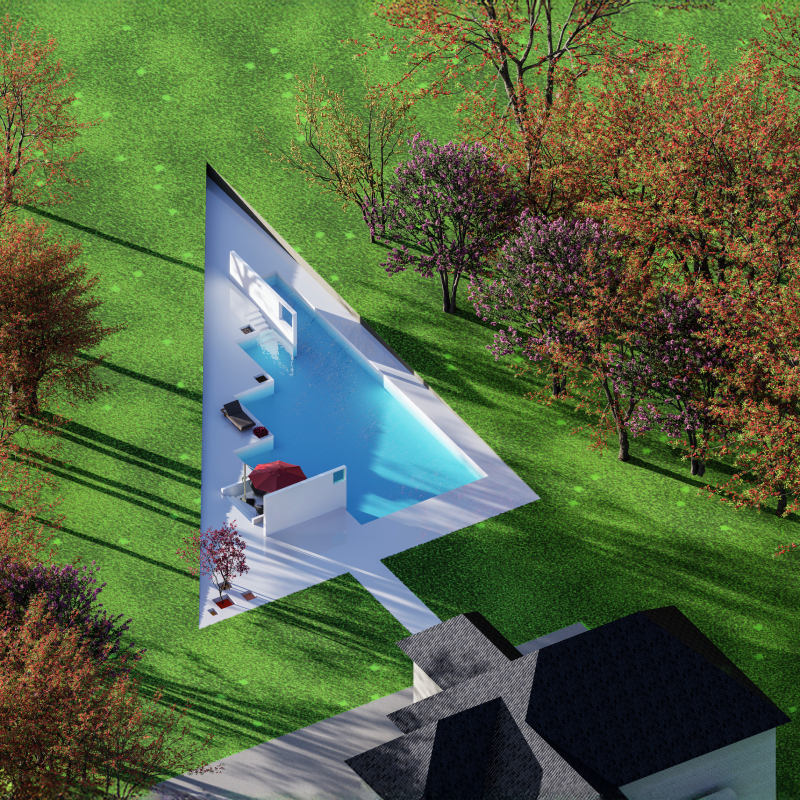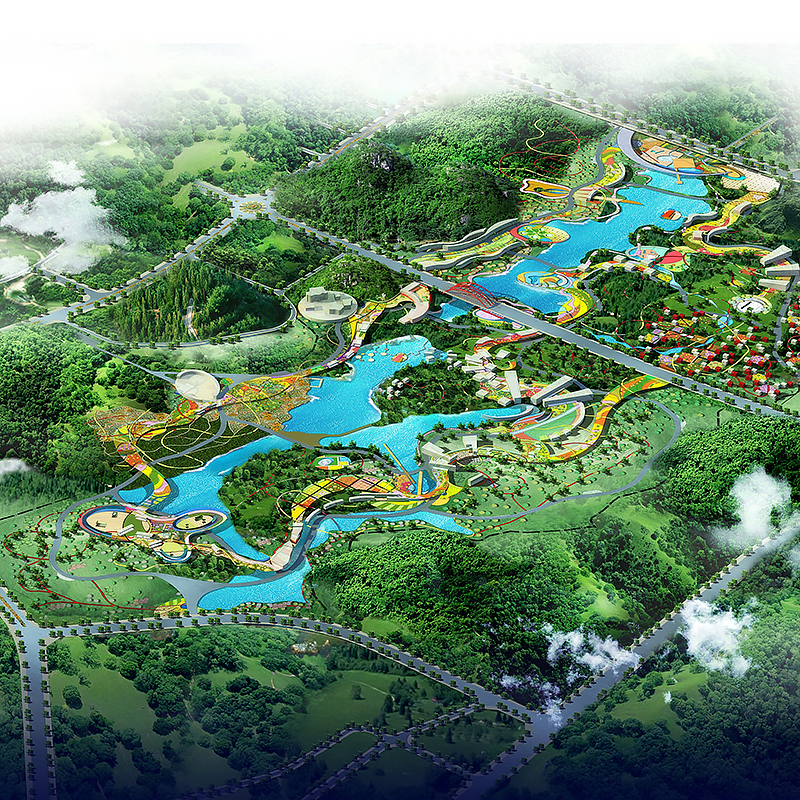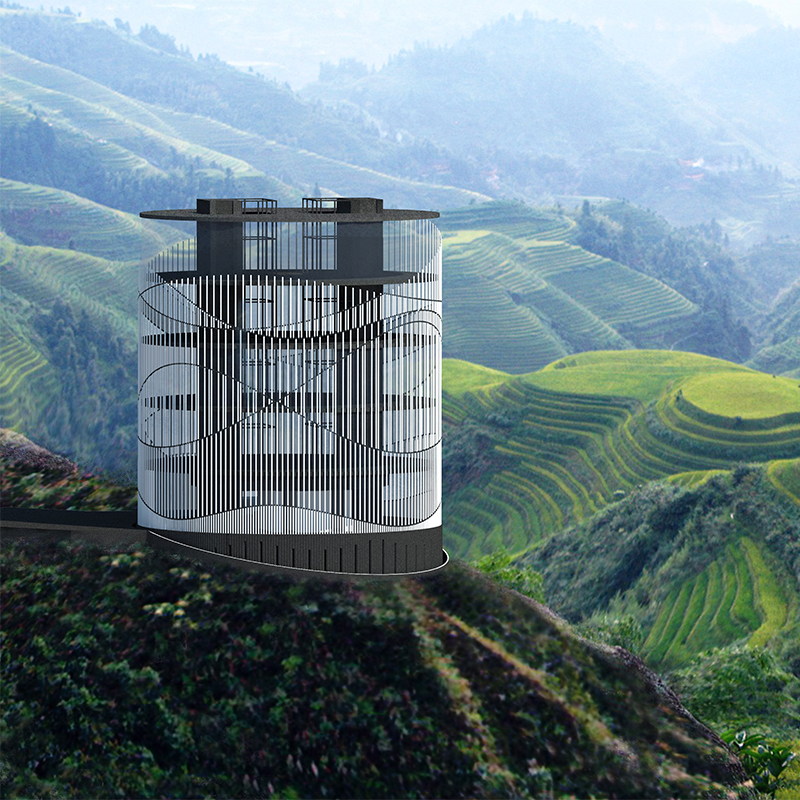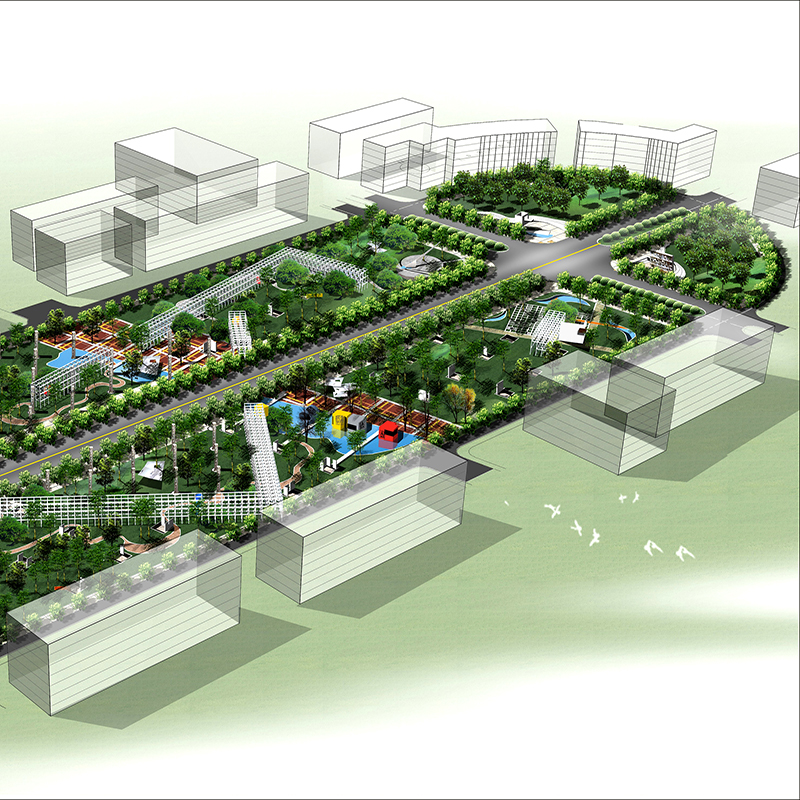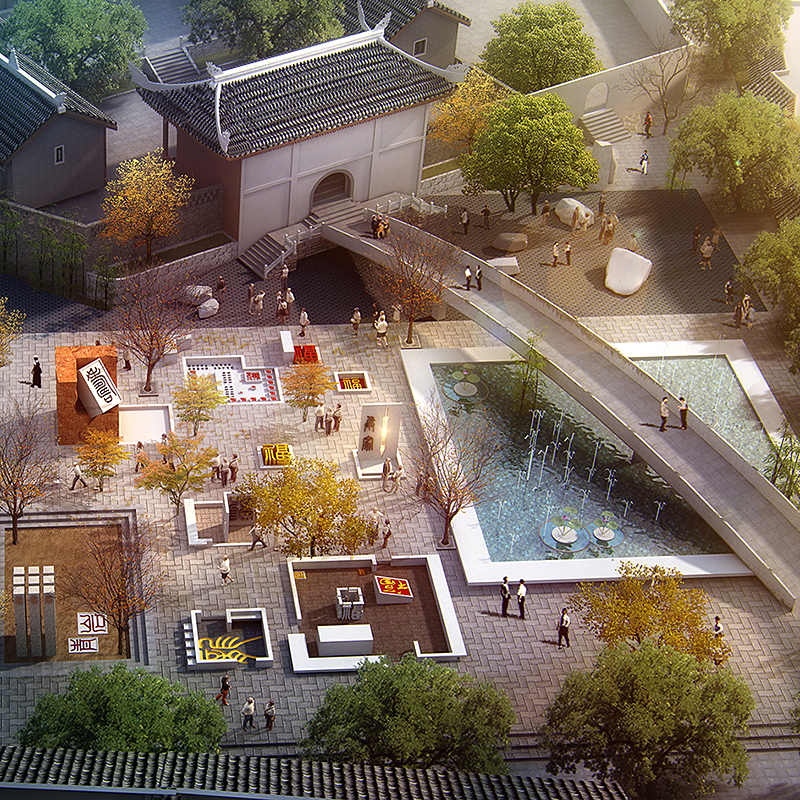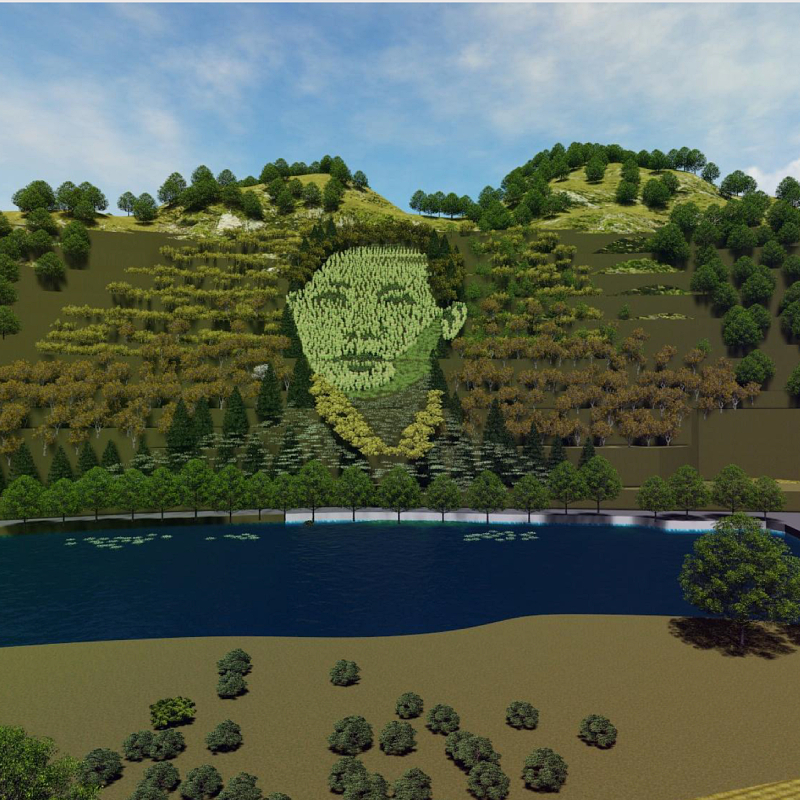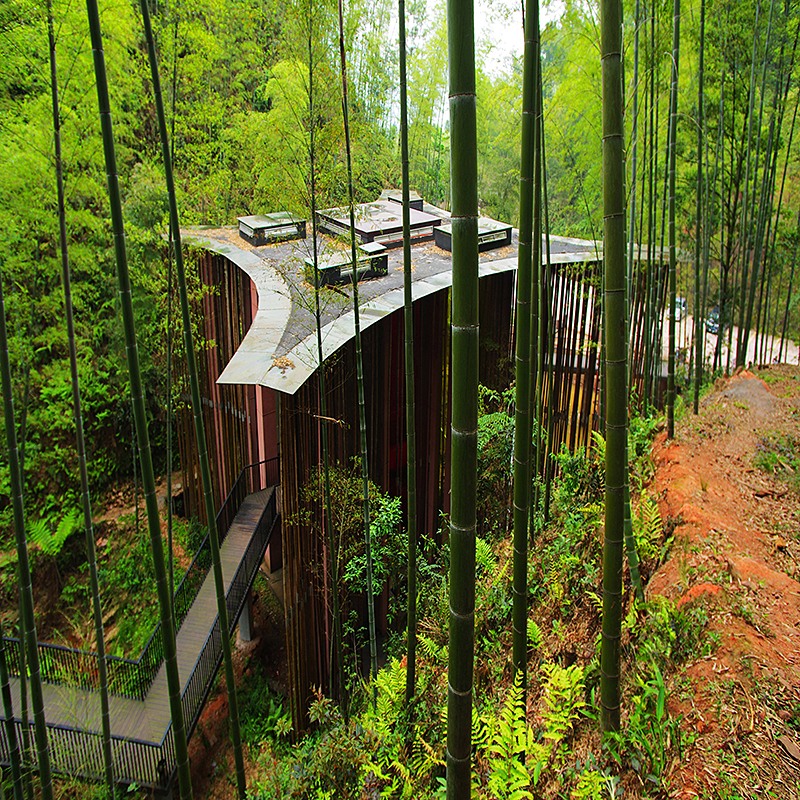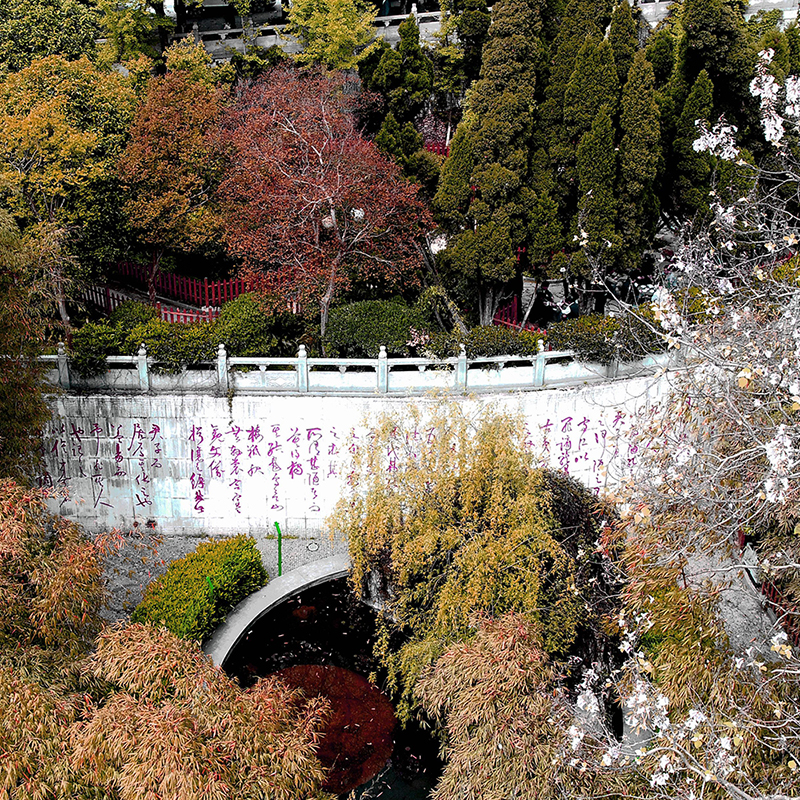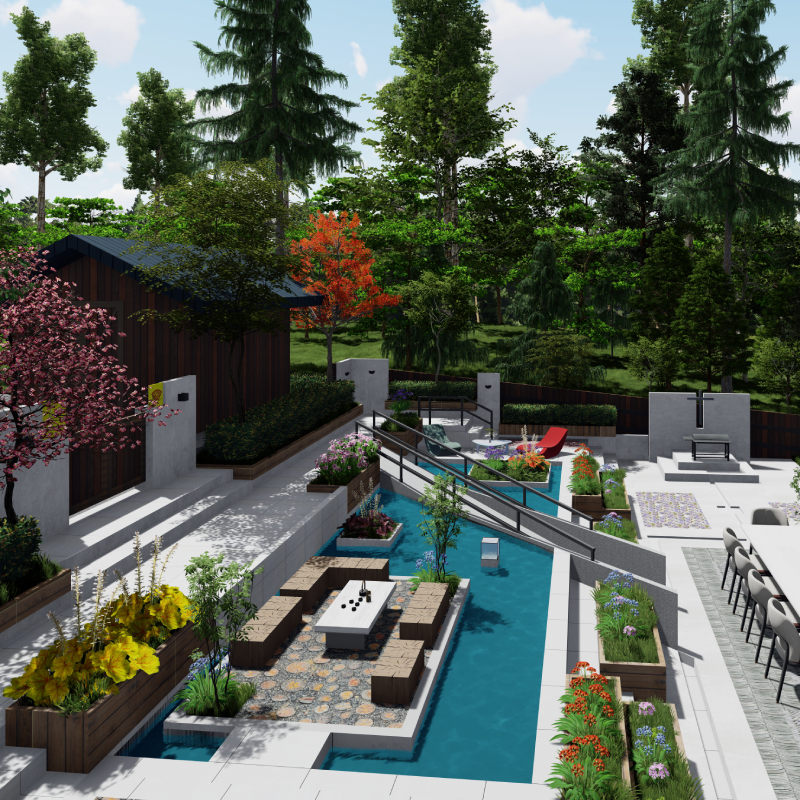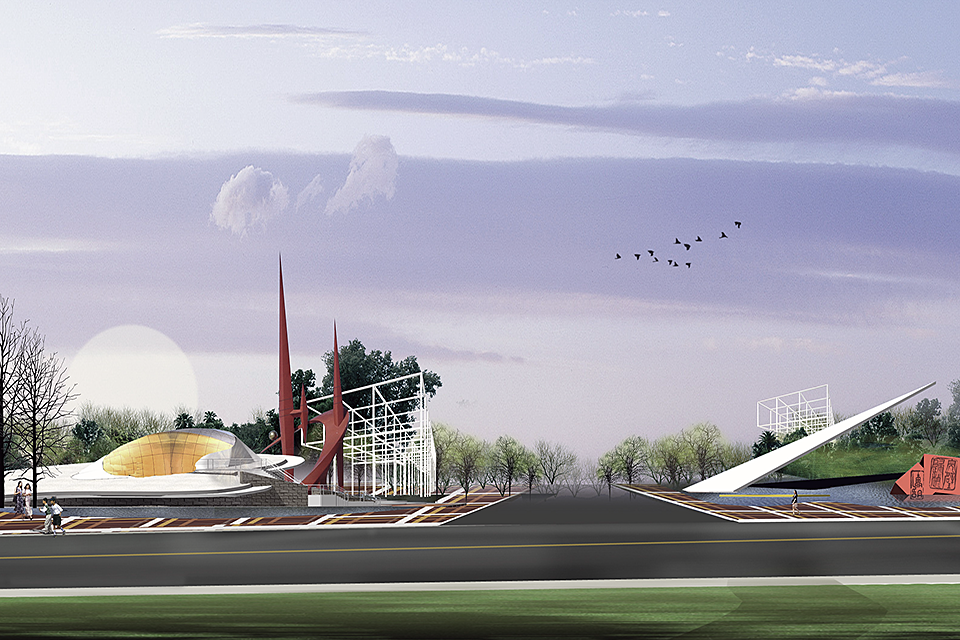

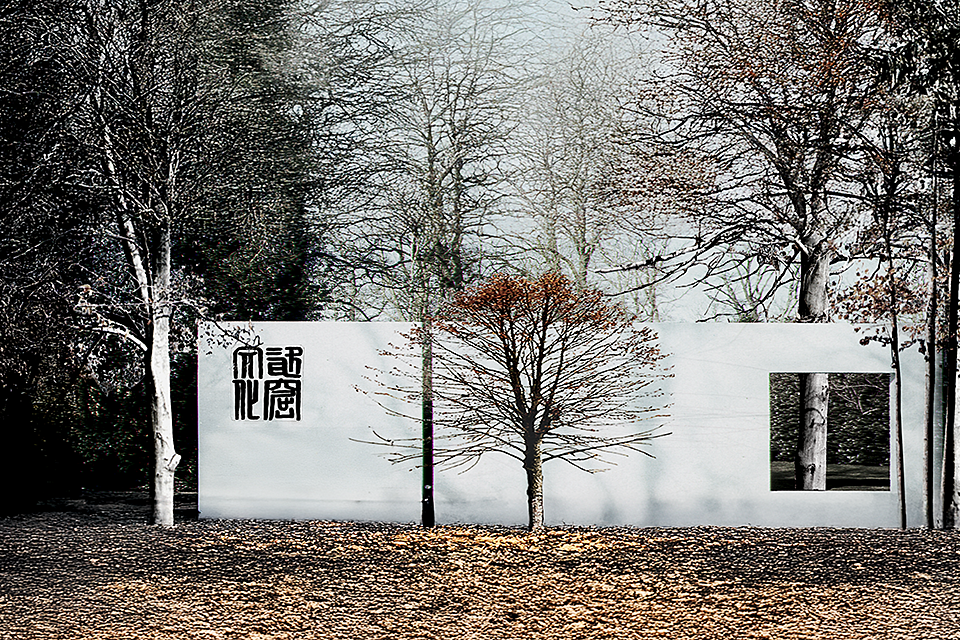
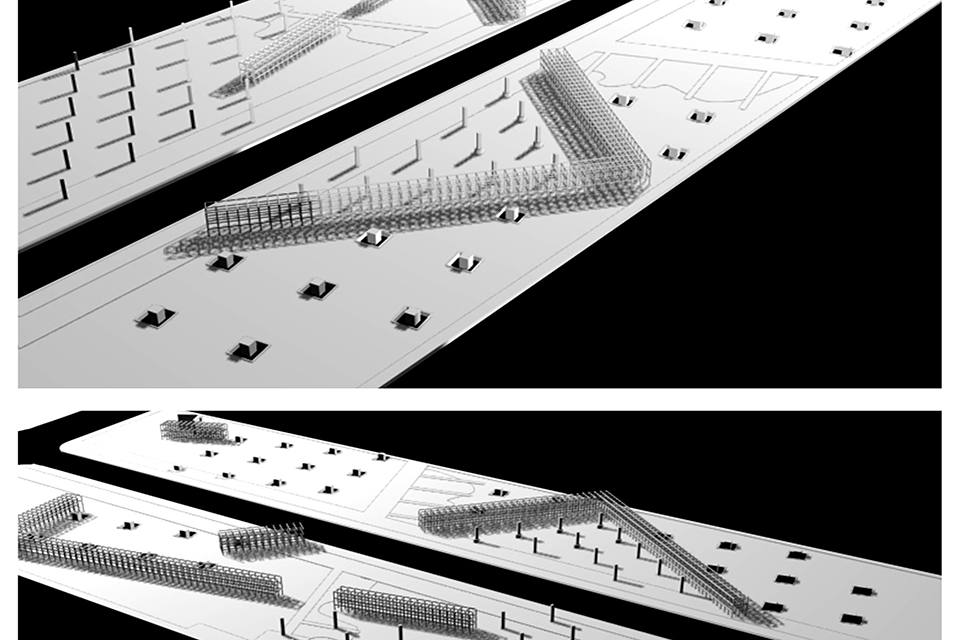
This project is situated at the heart of a paradigm where avant-garde aesthetics converge with profound cultural heritage. The generation of space stems from a morphological logic based on geometric abstraction and cultural reconstruction, drawing conceptual inspiration from the "eye" dome imagery and the semiotic characteristics of traditional seal carving.
The logic of these modular grids and geometric incisions constructs an isomorphic spatial system: the white exoskeletal steel framework and heavy concrete volumes interpenetrate, allowing sharp structural boundaries and transparent visual apertures to interweave and permeate one another. Whether through the guidance of linear axes or the layout of fluid water systems and sunken plazas, every element adheres to a systematic sequential rule, ensuring a unified logic throughout the continuous transformation of the spatial experience.
Here, symbolic seal sculptures rooted in tradition engage in a dialogue with modern industrial aesthetics. Through the integration of scenery-borrowing lattice windows and multidimensional functions, the design collectively shapes a contemporary humanistic garden that is both ceremonially significant as a landmark and practically viable for urban life.

Copyright © 2025 West-line studio. All Rights Reserved|Privacy Policy|Prerms of Service